
Dangerous Animals in Spain: Ranked by Real Risk (2026)
Dangerous animals in Spain ranked by actual injuries and deaths: wild boar, caterpillars, jellyfish, weever fish, spiders, scorpions, vipers and hornets.
Quick Answer
Spain is one of Europe's safest countries for wildlife. No big cats, no crocodiles, no killer predators. The animals that actually hurt people here are wild boar on roads, jellyfish, weever fish, tiger mosquitoes and, for dogs, processionary caterpillars.
Key Takeaways
- Spain has no crocodiles, no big cats and no animal that hunts people - the dangerous list is dominated by road collisions, stings and bites
- Wild boar cause the most deaths, almost entirely through vehicle collisions rather than attacks
- Jellyfish and weever fish generate tens of thousands of beach first aid cases each August
- The pine processionary caterpillar is the single worst animal in Spain for dogs, January to April
- Viper bites are serious but rare, and Spanish hospitals stock antivenom
- Bears and wolves exist in the north and have killed nobody in modern Spain
Ask what dangerous animals live in Spain and most people picture something with teeth. The honest answer is duller and more useful: Spain is a safe country for wildlife, and the things that actually put Spaniards, expats and holidaymakers in hospital are a pig on a motorway, a caterpillar in a pine tree, a jellyfish at the shoreline and a fish buried in the sand at your favourite beach.
There are no crocodiles. There are no wild big cats other than the Iberian lynx, which weighs about 12 kg, eats rabbits and runs from people. There has not been a fatal wolf or bear attack in modern Spanish history. What follows is a ranking by actual injuries and deaths, not by how frightening the animal looks.
Dangerous Animals in Spain, Ranked by Real Risk
| Rank | Animal | Where | Season | Real risk | First aid |
|---|---|---|---|---|---|
| 1 | Wild boar (Sus scrofa) | Nationwide, worst in Galicia, Castilla y Leon, Catalonia | Autumn rut, dusk and dawn | Thousands of road collisions a year; the main animal-linked cause of death | Not a first aid problem: a driving problem. Brake, do not swerve |
| 2 | Tiger mosquito (Aedes albopictus) | Whole Mediterranean coast, Balearics, spreading inland | June to October | Vast numbers of bites; local dengue and West Nile transmission now documented in Spain | Antihistamine, cold pack; see a doctor for fever within two weeks of bites |
| 3 | Jellyfish (Pelagia noctiluca and others) | Mediterranean beaches | July and August | Tens of thousands of beach first aid cases each summer | Seawater rinse, remove tentacles with a card, heat, never fresh water |
| 4 | Pine processionary caterpillar (Thaumetopoea pityocampa) | Anywhere with pines, Castilla, Andalucia, Catalonia | January to April | Hundreds of canine emergencies a year; severe skin and eye reactions in children | Rinse skin and eyes with water, do not rub; dogs go to a vet immediately |
| 5 | Weever fish (Echiichthys vipera) | Shallow sandy beaches, both coasts | June to September | Extremely painful stings, common on family beaches | Immerse the foot in water as hot as tolerable for 30 to 90 minutes |
| 6 | Portuguese man o’ war (Physalia physalis) | Atlantic coast, occasional Mediterranean incursions | Late winter to spring, wind-driven | Severe stings that close beaches; far worse than a normal jellyfish | Seawater, remove with tweezers, hot water, seek medical help |
| 7 | Asian hornet (Vespa velutina) | Galicia, Asturias, Cantabria, Basque Country, Catalonia | August to October | Nest disturbance produces multiple stings; a handful of deaths, mostly anaphylaxis | Move away fast, cold pack, adrenaline pen if allergic, call 112 |
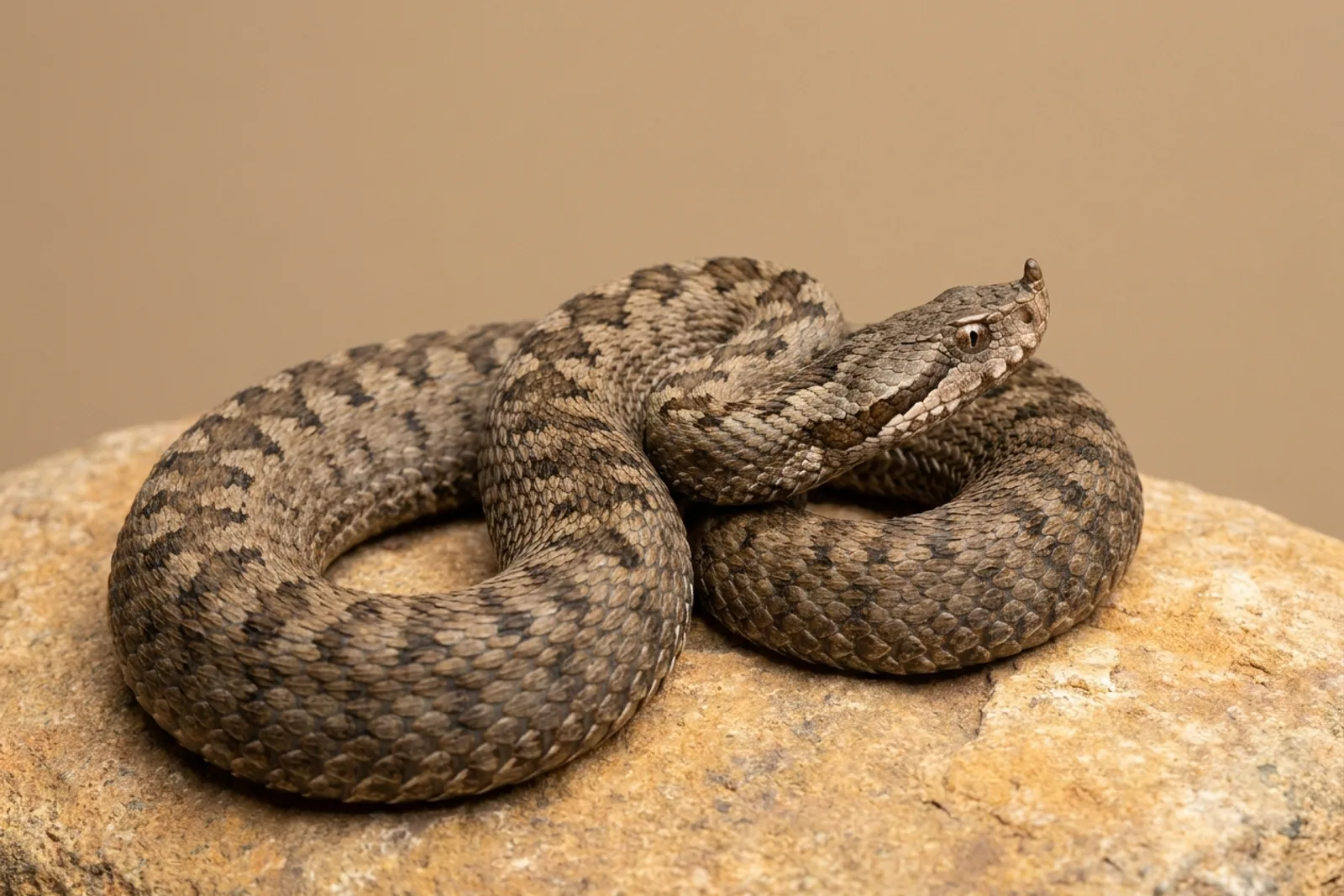
| 8 | Vipers (Vipera latastei, aspis, seoanei) | Rural mainland, none in the islands | May to July | Roughly 50 to 150 hospital bites a year, deaths under one a year | Immobilise, remove rings, call 112, no tourniquet |
| 9 | Mediterranean black widow (Latrodectus tredecimguttatus) | Dry cereal fields and scrub, south and east | Summer harvest months | Rare but genuinely painful systemic bites; agricultural workers mostly | Cold pack, hospital if cramps or sweating develop |
| 10 | Recluse spider (Loxosceles rufescens) | Indoors, warm and dry, south and east | Year round | Uncommon; occasional slow-healing ulcerating bites | Clean, cold pack, photograph the wound, see a doctor if it worsens |
| 11 | Scorpion (Buthus occitanus) | Andalucia, Murcia, Extremadura, inland Valencia | May to October | Painful stings, no recorded Spanish fatalities | Wash, cold pack, painkiller; doctor for children and allergy sufferers |
| 12 | Brown bear (Ursus arctos) | Cantabrian range, small Pyrenean group | Spring and autumn | 350 to 400 animals; a few surprise-encounter injuries per decade, zero deaths | Back away, do not run, make yourself visible |
| 13 | Iberian wolf (Canis lupus signatus) | North of the Duero | Year round | 2,000 to 2,500 animals; no modern attacks on people | Not applicable: they avoid humans |
1. Wild Boar: The Animal That Actually Kills
Sus scrofa is Spain’s most lethal animal, and almost never by attacking anyone. Boar populations have exploded across the peninsula, they have colonised the edges of Barcelona, Madrid and every coastal urbanisation with a bin, and they cross roads at dusk. Animal-vehicle collisions in Spain run into the tens of thousands annually, wild boar are the majority of them, and a 90 kg animal through a windscreen at 100 km/h kills drivers and passengers every year.
The practical advice is driving advice: on rural roads at dawn and dusk, especially in the autumn rut, drop your speed, use full beam where you can, and if an animal appears, brake hard in a straight line rather than swerving. Most fatalities come from the swerve, not the pig. On foot, a boar that has learned to raid bins will approach people for food. Never feed one, never get between a sow and her stripey piglets, and back away without turning your back.
2. Tiger Mosquito: Volume Beats Drama
Aedes albopictus arrived in Catalonia in 2004 and now occupies the entire Mediterranean strip, the Balearics and a growing inland footprint. It bites in daylight, it breeds in a bottle cap of water, and it has changed Spanish summers. Beyond the misery of the bites, Spain has recorded locally transmitted dengue cases and repeated West Nile virus outbreaks, with the Andalucian West Nile seasons producing hospitalisations and deaths.
The response is standing water, not sprays: empty saucers, cover water butts, keep the pool chlorinated, and clear roof gutters. Full detail in the tiger mosquito in Spain guide and the wider mosquitoes in Spain guide.
3. Jellyfish: The Beach Injury Leader
Pelagia noctiluca, the mauve stinger, is the one that shuts Spanish beaches. Warm, calm, low-rainfall summers push swarms inshore, and the Costa Blanca, Costa del Sol and Balearics all run seasons where lifeguards treat hundreds of stings a day. It hurts intensely, it welts, and it very rarely does anything worse in a healthy adult.
Rinse with seawater, never fresh water, lift residual tentacles off with the edge of a bank card, and apply heat rather than ice. Vinegar helps for some species and makes others worse, which is why hot water is the safer default. The full protocol is in the jellyfish stings in Spain guide.
4. Processionary Caterpillar: Worst Animal in Spain for Dogs
Nothing else on this list sends as many dogs to emergency vets. Thaumetopoea pityocampa nests as white silk bags in pine trees through the winter, then marches nose-to-tail down the trunk in late winter and early spring to pupate in the soil. Its hairs are barbed and load an urticating protein. A curious dog that mouths a caterpillar or a broken nest can suffer tongue necrosis within hours and lose part of the tongue.
In people, contact causes fierce urticaria; hairs in the eye cause a genuine ophthalmic emergency. Do not rub, rinse with plenty of water, tape-strip hairs off skin, and get children and dogs assessed. See the processionary caterpillars in Spain guide for the nest-removal rules, which include never burning a nest.
5 and 6. Weever Fish and the Man o’ War
The weever fish (Echiichthys vipera) buries itself in shallow sand with only its venomous dorsal spines exposed, and you step on it walking out of the water on an ordinary family beach. The pain is disproportionate and famous, peaking within half an hour. The treatment is heat: foot into water as hot as you can stand without scalding, for 30 to 90 minutes, which denatures the venom. Details in the weever fish sting in Spain guide.
The Portuguese man o’ war (Physalia physalis) is not a jellyfish but a siphonophore, blown in from the Atlantic, and it closes beaches in Galicia, Cadiz, the Canaries and occasionally the Mediterranean coast. Its sting is in a different class from Pelagia, and a beached specimen still stings. Never touch one, even a dead-looking one, and see the Portuguese man o’ war in Spain guide for what to do.
7 to 11. The Venomous Small Stuff
The Asian hornet (Vespa velutina) has taken the wet north of Spain and moves steadily south. It is no more venomous than a native hornet, but its football-sized nests in hedges and eaves produce mass-sting incidents when disturbed by a strimmer, and Spain records occasional deaths, essentially all anaphylactic. Never tackle a nest yourself. The wasps in Spain guide covers identification and who to call.
Among spiders, only two matter. The Mediterranean black widow (Latrodectus tredecimguttatus) lives in dry cereal fields and scrub in the south and east, and produces the classic latrodectism picture of severe cramping, sweating and hypertension; bites cluster among agricultural workers at harvest. Loxosceles rufescens is an indoor recluse whose bite occasionally ulcerates slowly. Both are uncommon and neither is a household emergency in most Spanish homes. See spiders in Spain.
Scorpions, mainly Buthus occitanus, sting like a bad wasp and have never killed anyone in Spain. Vipers are covered fully in the snakes in Spain guide, which ranks all five venomous species and gives the bite protocol. Holidaymakers worried about the island sightings should read snakes in Mallorca instead, since the island has no vipers at all – the population boom there is a harmless colubrid, not a venomous species.
One number worth remembering
112 is the emergency number everywhere in Spain, in English, and it covers ambulance, mountain rescue and coastguard. For an animal injury, the decision to call is simple: spreading swelling, difficulty breathing, chest pain, confusion, or any bite or sting to the face or throat.
12 and 13. Bears and Wolves: Near-Zero Risk
Spain holds Western Europe’s healthiest brown bear population, roughly 350 to 400 animals in the Cantabrian mountains plus a small reintroduced Pyrenean group, and around 2,000 to 2,500 Iberian wolves north of the Duero. Both are recovering, both are politically contentious with livestock farmers, and neither has killed a person in Spain in modern times.
Bear injuries in Spain happen in one situation only: a walker surprises a female with cubs at very close range on a wooded path and she charges defensively. Make noise on blind trails, keep dogs on a lead, and if you meet one, back away slowly while facing it. Wolves avoid people so consistently that most Spanish field biologists working with them have never seen one in the wild by chance.
What Is Not on the List
- Crocodiles and alligators: none, anywhere, other than escaped individuals that make the news precisely because they are freak events.
- Big cats: the Iberian lynx is the only wild cat of size, it weighs about as much as a spaniel, it specialises in rabbits, and it is one of Europe’s great conservation successes.
- Sharks: present in Spanish waters, effectively absent from Spanish injury statistics. There is no modern fatal shark attack on a Spanish beach.
- Venomous insects beyond wasps and hornets: Spanish ants, centipedes and beetles can bite or sting painfully, but none is a medical threat to a healthy adult.
Practical Protection
The habits that remove most of the risk on this page cost nothing: real boots instead of sandals in the campo, a look before a hand goes into a wall gap, the shuffle-step through shallow water that scares off weever fish, a lead on the dog through pine woods from January to April, standing water emptied weekly, and a slower speed on rural roads at dusk.
If you have been bitten or stung and are not sure by what, the bite identifier narrows it down from the mark, the pain pattern and where you were. If the problem is inside the house rather than outside it, start with the cockroaches in Spain guide or the seasonal pest calendar to see what is active this month.
Spain is safe. Knowing the short list of things that are not is what keeps it that way.
Frequently Asked Questions
What is the most dangerous animal in Spain?
Are there poisonous animals in Spain?
Are there bears or wolves in Spain?
What is the most dangerous animal for dogs in Spain?
Are there sharks or crocodiles in Spain?
When is the most dangerous season in Spain for animal injuries?

Written by James Thornton
Founder & Lead Writer
British expat living in Málaga since 2019. Researched 200+ pest control cases across 16 Spanish regions.

Reviewed by Carlos Ruiz Martín
ROESBA-certified (Spain's Official Pest Control Registry). DDD specialist. Member of ANECPLA.